
Most product labels tell you very little.
A jumper might list its fibre blend, but not where the cotton was grown or how it was dyed.
A kettle might carry an energy rating but say nothing about whether a replacement part will be available in five years.
This gap between what we buy and what we know about it sits at the heart of sustainable shopping today.
The information gap behind sustainable shopping
UK shoppers consistently say sustainability matters to them. Recent research puts the figure at close to four in five UK consumers who consider it an important factor when they buy. Many are also willing to pay a bit more for it, even with the cost of living still squeezing household budgets.
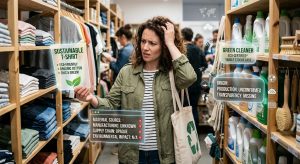
The problem is trust, not intent. There is often no reliable way to check whether a product lives up to a sustainability claim. Was that “eco-friendly” jacket really made with lower-impact materials, or is the label doing more work than the product itself? Without consistent, verifiable information, shoppers end up comparing marketing copy rather than facts. This isn’t just frustrating. It has a real environmental cost.
In the UK, WRAP found that almost half of all used textiles are simply thrown into general waste, at a rate of around 35 items per person every year. Some of that comes down to habit. But a lack of clarity about what an item is made from, and whether it can be repaired or recycled, plays its part too. If you don’t know whether something can be recycled or where to take it, the bin becomes the default.
Why better labels alone won’t fix it

It’s tempting to think the fix is simple: put more information on the label. In practice, packaging has limited space, supply chains span dozens of countries and sub-suppliers, and the details that matter most, where materials were sourced, how a product was made, how it should be taken apart at the end of its life, change more often than a printed label can keep up with.
Then there’s greenwashing. Self-reported sustainability claims, with no way to verify them, have understandably made shoppers sceptical of vague or exaggerated green marketing.
The UK’s Competition and Markets Authority has taken note: its Green Claims Code requires that environmental claims made by businesses are truthful, accurate and backed by evidence, specifically, to clamp down on greenwashing. That’s a welcome step, but it works after the fact. It doesn’t give someone standing in a shop the tools to check a claim there and then.
Digital Product Passports: a new way to track what’s in a product

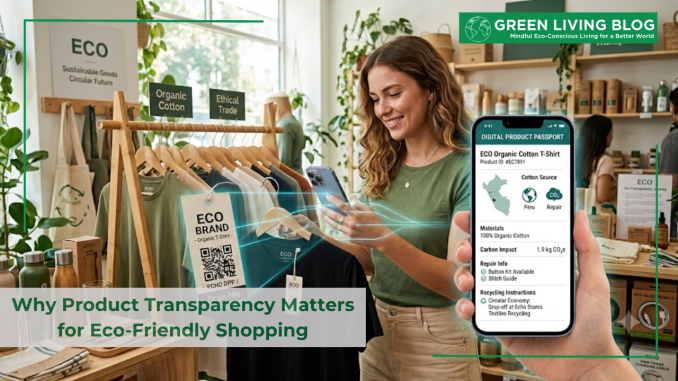
A newer idea is starting to take shape across the EU: the Digital Product Passport, or DPP. Rather than squeezing everything onto a paper label, a Digital Product Passport links a product, usually via a QR code, to a digital record holding detailed, structured information: what materials were used, where they came from, how the item should be cared for, and how it can be repaired, reused or recycled at the end of its life.
It’s being introduced gradually, under the EU’s Ecodesign for Sustainable Products Regulation, which formally came into force in July 2024. Batteries are leading the way, with related digital product passport requirements making a battery passport mandatory from February 2027, a real-world test of the system before it extends further. Textiles, furniture, and other product categories are expected to follow over the next few years.
None of this is likely to be visible to shoppers for a while yet. Most of the early requirements apply to businesses placing products on the EU market, not to what you’ll see on a shelf tomorrow. But it points to a shift worth knowing about: from trusting the label to checking the record.
Shopping with more clarity right now

Until that kind of information becomes standard, there are still practical ways to shop with a
clearer picture. Look past the marketing language. Terms like “eco” or “conscious” aren’t regulated in the way material composition is, so it’s worth checking for specifics, percentages of recycled or organic material, recognised certifications, or a brand’s published supply chain information, rather than trusting a single reassuring word on the label.
Ask about repairability before you buy anything mechanical or electrical. A quick search for spare parts availability or repair guides says a lot about how long a product is realistically designed to last.
Independent brand-rating tools and apps can also help fill the gap left by inconsistent labelling, particularly for clothing and larger household purchases. And it’s worth keeping proof of purchase and care instructions, since they’re often what determines whether a repair, warranty claim or resale is straightforward later on. Where retailers offer take-back or repair schemes, using them keeps materials in circulation rather than sending them to landfill.
Author:
Afif Fatema Chowdhury, writer covering sustainability, the environment, and the policies shaping a lower-impact future, from what goes into the things we buy to how brands can be held to their claims.

Author Profile

- Eco Warrior by day, Eco Blogger by night trying to get the eco balance right.
Latest entries
 EnvironmentSeptember 8, 2026The Greenest Home Is the One You Already Own
- EnvironmentJuly 31, 2026The Ultimate Guide to Building a Garden That Balances Beauty and Sustainability
- Green Home GuidesJuly 25, 2026Solar Safety: Why DC Isolation Matters More Than You Think
- Green Expert GuidesJuly 23, 2026Why Reverse Logistics Is the Missing Piece in the UK’s E-Waste Problem



Leave a Reply
You must be logged in to post a comment.