
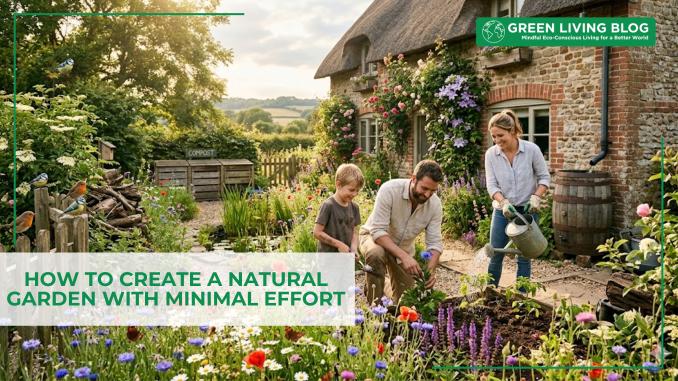
A natural garden need not be large or labour-intensive.
Often, just a few targeted changes are enough to create more habitat for insects, birds and other animals.
At the same time, garden owners also benefit from a low-maintenance and hardy design.
By choosing the right plants and supporting natural processes, you can make a visible contribution to biodiversity even with small measures.
A sustainable garden starts with the right seeds
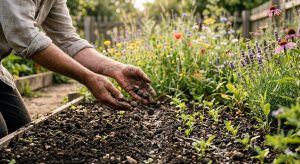
The path to a natural garden often begins with choosing suitable plants. Regional and native species are particularly beneficial, as they are adapted to local conditions and provide a food source for numerous insects. A simple option for beginners is sustainable seed balls, which can be scattered over open areas, in beds or even in hard-to-reach spots. They usually contain a mixture of soil, clay and seeds, and protect the seeds during the initial growth phase.
If you are sowing seeds yourself, you should ensure you choose the right time. Many wildflowers thrive best when sown in spring or autumn. It is also important to clear the soil of dense weeds beforehand and not to bury the seeds too deeply. Many wildflower species require light to germinate. Therefore, it is often sufficient to press the seeds lightly into the soil and then water them carefully.
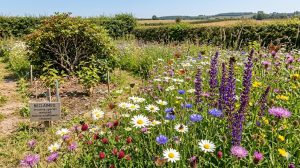
When choosing seed mixtures, it is worth looking for native species. Plants such as cornflowers, daisies, meadow knapweed and meadow sage provide food for pollinators over many months and help to create stable habitats in the garden. Choosing regional seed mixtures also supports the genetic diversity of native plant populations.
Less paving, more growing
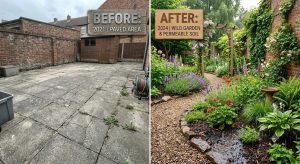
In the UK, gardening and environmental organisations have been warning for years about the increasing paving of private gardens. The UK government expressly recommends using permeable surfaces when designing driveways and front gardens, so that rainwater can seep away and relieve the strain on the drainage system. So-called rain gardens are also promoted as a sustainable solution.
The trend towards fully paved front gardens does not only affect biodiversity. Sealed surfaces also increase the risk of flooding during heavy rainfall. The Royal Horticultural Society (RHS) therefore recommends limiting paved areas to what is strictly necessary and allowing sufficient space for plants, hedges and climbing plants.
Anyone wishing to make an existing garden more natural does not need to completely redesign it straight away. It is often enough simply to remove individual sealed areas and replace them with planting areas. Even small flowerbeds can make an important contribution. Furthermore, planted areas store rainwater, improve the microclimate and provide shelter and food for numerous animal species.
Native plants instead of problematic species
Many gardeners buy plants from garden centres simply because they look attractive, without giving much thought to their impact on the environment. In fact, however, there are species that can spread beyond the garden and disrupt native ecosystems.
The UK Department for Environment, Food and Rural Affairs (Defra) regularly emphasises that invasive plants must not be released into the wild. Some species are even subject to specific legal regulations. Japanese knotweed is a particularly well-known example, as its spread can cause considerable damage. Gardeners are therefore urged to carefully monitor invasive species and dispose of them properly.
Instead, experts recommend using native plant species.
Using water wisely and retaining rainwater in the garden
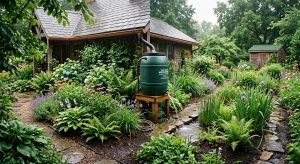
The effects of climate change are also becoming apparent in private gardens. Longer periods of drought are increasingly alternating with heavy rainfall events. This is why intelligent water management is becoming ever more important.
British expert bodies recommend retaining rainwater as far as possible where it falls. Rain gardens, depressions and permeable surfaces can help to absorb excess water and release it slowly into the soil. At the same time, plants benefit from the stored water reserves during dry spells.
Another simple measure is the use of rain barrels. Even an average house roof can collect large quantities of water over the course of a year, which can then be used for watering. This saves drinking water and reduces the strain on local water systems.
It is also worth improving the soil with compost and mulch. Organic material significantly increases the soil’s water-holding capacity. This ensures plants are better supplied with water even during dry spells. At the same time, it benefits soil organisms, which are essential for a healthy and vibrant garden ecosystem.

Author Profile

- Eco Warrior by day, Eco Blogger by night trying to get the eco balance right.
Latest entries
 EnvironmentSeptember 8, 2026The Greenest Home Is the One You Already Own
- EnvironmentJuly 31, 2026The Ultimate Guide to Building a Garden That Balances Beauty and Sustainability
- Green Home GuidesJuly 25, 2026Solar Safety: Why DC Isolation Matters More Than You Think
- Green Expert GuidesJuly 23, 2026Why Reverse Logistics Is the Missing Piece in the UK’s E-Waste Problem



Leave a Reply
You must be logged in to post a comment.