
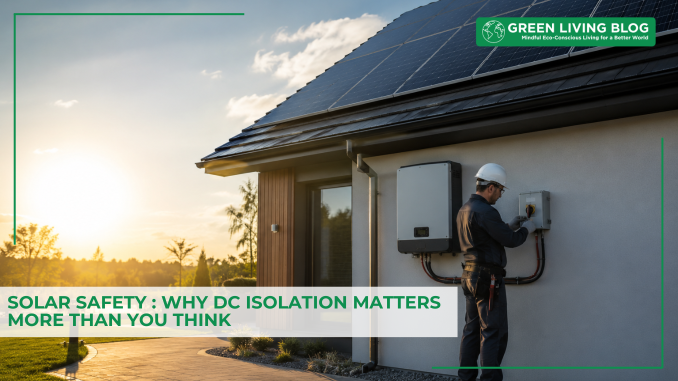
Here is a fact that surprises most people who have solar panels on their roof: you cannot switch them off.
If daylight falls on the array, the panels generate voltage. Flip every switch in your consumer unit, unplug the inverter, shut down the whole house — the cables coming down from the roof are still live. The sun does not have an off button.
This is why every properly designed solar installation includes something most homeowners have never consciously looked at: the DC isolator.
It is a switch, usually in a small grey or black enclosure near the inverter and sometimes also at the roof, whose only job is to safely separate the panels from everything downstream when someone needs to work on the system.
How a DC Isolator Makes Solar Systems Safer
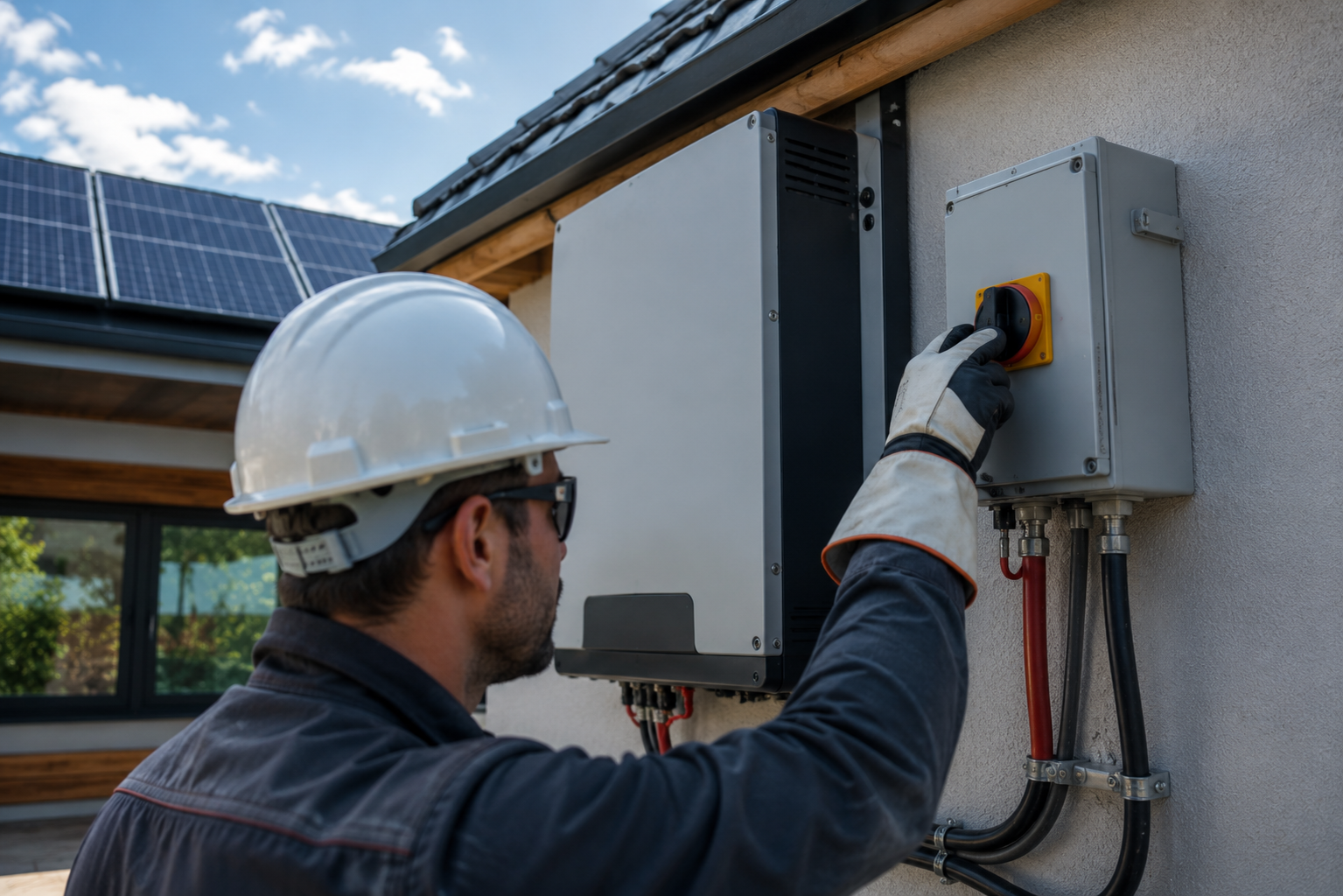
“Safely” is the important word, and it is where solar differs from ordinary household electrics. Household AC current reverses direction a hundred times a second, and each reversal gives an electric arc a natural instant to extinguish.
The DC current from solar panels flows in one direction, continuously. Break a DC circuit under load with an ordinary switch and the arc can simply keep burning across the gap — hot enough to melt contacts and start fires.
A proper solar DC isolator is engineered specifically for this: wider contact separation, arc-quenching chambers, and voltage ratings that account for cold, bright mornings when panels produce well above their nameplate figures. An AC switch with a confident-looking rating printed on it is not a substitute, and this single misunderstanding has been behind a long list of rooftop fires investigated over the years.
For a homeowner, the practical questions are simpler. Does your system have isolation on the DC side at all? Older or informally installed systems sometimes do not. Is the isolator outdoors, and if so, is its enclosure intact?
Isolator enclosures degrade in UV and weather, and a cracked housing on a live DC circuit is a problem worth fixing promptly. Does anyone in the house actually know where it is? In an emergency — a fire, a flood, storm damage to the roof — firefighters will look for it, and being able to point to it matters.
What to know about installing DC Isolators
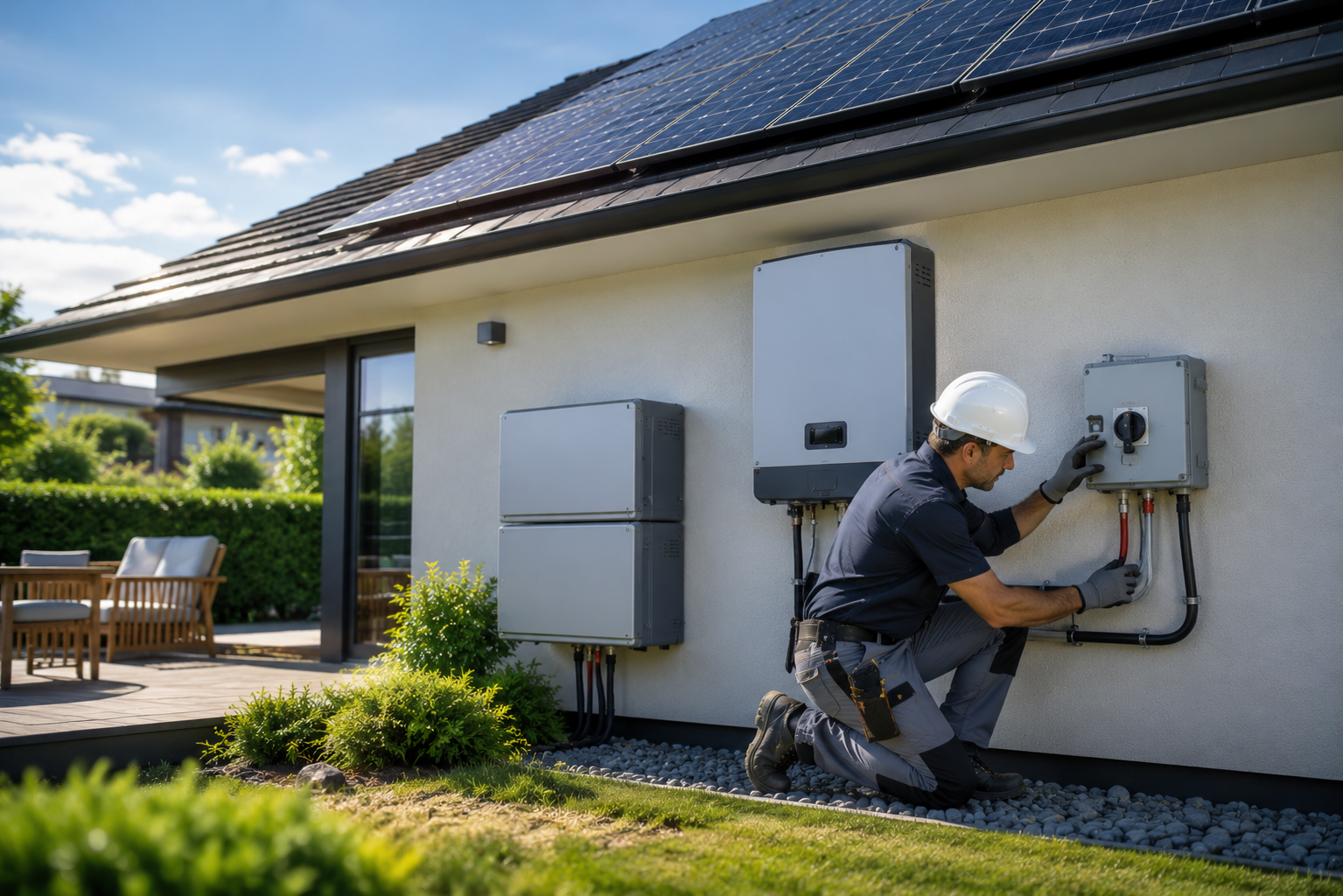
If you are extending a system, adding a battery, or replacing an inverter, the isolation question comes back in a more technical form: ratings must match the new system voltage, the switch must be rated for DC service specifically, and placement must satisfy your local wiring rules.
A plain-language reference such as this solar DC isolation guide explains the types of isolators, where each belongs in a system, and the specifications that actually matter — useful reading before any conversation with an installer, if only so the quotation makes sense.
Solar power deserves its reputation as one of the safest ways to generate energy at home. The technology is mature, the failure rates are low, and millions of systems operate for decades without incident. But that record with all its myths rests on unglamorous components doing their jobs — and the humble isolator switch, sitting silently in its grey box for years, is the one that makes every maintenance visit and every emergency response safe.
It is worth knowing it exists, worth knowing where it is, and worth making sure it was specified properly in the first place.

Author Profile

- Eco Warrior by day, Eco Blogger by night trying to get the eco balance right.
Latest entries
 Green Expert GuidesOctober 16, 2026Rechargeable Prefilled Vapes vs Refillable Kits: Which Format Fits Eco Vapers?
- EnvironmentSeptember 8, 2026The Greenest Home Is the One You Already Own
- EnvironmentJuly 31, 2026The Ultimate Guide to Building a Garden That Balances Beauty and Sustainability
- Green Home GuidesJuly 25, 2026Solar Safety: Why DC Isolation Matters More Than You Think



Leave a Reply
You must be logged in to post a comment.