
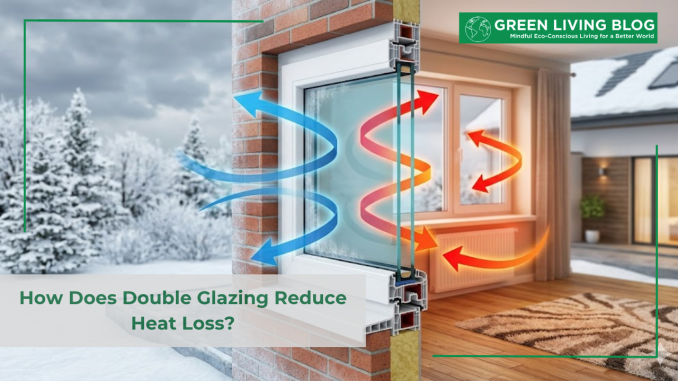
If your home feels chilly even when the heating is on, your windows might be the hidden culprit.
Older single glazed windows let heat slip away fast, leaving rooms cold and your energy bills soaring.
But here’s the good news: modern double glazing, packed with clever features like low-e coatings and argon gas, can slash heat loss through your windows. Imagine upgrading to A-rated double glazing in a typical semi-detached home and saving between £110 and £235 every year on your energy bills!
In this guide, we’ll dive into the magic behind double glazing—how it traps warmth, boosts your home’s comfort and even adds extra security.
Get ready to discover why double glazing is one of the smartest investments you can make for a cozy, energy-efficient home.
What Is Double Glazing?
Double glazing windows feature two glass panes separated by a sealed air space, usually 12–20 mm wide, filled with an inert gas like argon that slows heat transfer. This clever setup traps warmth inside your home better than single-pane windows, which let heat escape quickly through the glass.
Together with the frame and seals, these double-glazing windows form a powerful barrier against heat loss. Unlike single glazing, which has just one layer of glass that transfers heat rapidly, double glazing works hard to keep your home cozy and energy bills down.
According to Cornwall-based double-glazing specialists Origin Double Glazing, many homeowners
are surprised by how much heat can be lost through older windows. The company notes that modern A-rated double glazing can reduce window heat loss by around 50–65% compared to single glazing, helping create warmer homes while lowering energy bills over the long term.
How Does Double Glazing Reduce Heat Loss?
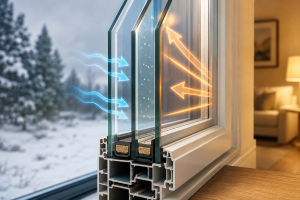
Heat escapes through windows via three mechanisms: conduction, convection, and radiation.
Double glazing targets all three:
Conduction: Heat must pass through two layers of glass and a gas-filled gap instead of one. Because argon gas is a poor conductor; the trapped air slows heat transfer significantly.
Convection: The narrow-sealed gap between panes limits convection currents. In a wider, unsealed space, warm air would rise and circulate, carrying heat toward the cold surface. The controlled gap in a double-glazing unit minimises this movement.
Radiation: Every hot surface emits infrared energy. A reflective e coating (Low-E) on the inside glass bounces that infrared radiation back into the room rather than letting it escape outward.
The result? Double glazing reduces heat loss through the glazed area by approximately 50–65% compared to single glazing, depending on specification. As mentioned earlier, a typical home loses around 10–20% of its total heat loss through windows. Replacing old windows in a 3-bed semi
detached house with A-rated double glazing can cut annual heating costs by £110–£235, according to estimates from industry data.
What Makes Modern Double Glazing So Effective?
Modern energy efficient double glazing relies on more than just two panes of glass.
Three components work together to maximise performance:
Low emissivity (Low-E) glass: A microscopically thin, transparent coating on the inner pane surface reflects room heat back inside while still allowing natural daylight through. Without Low-E, a double-glazing unit has a centre-pane U-value around 2.8–3.2 W/m²K. With it, that drops to around 1.0–1.1.
Argon gas fill: Denser than air and colourless, argon gas reduces conduction through the gap by roughly 15–20% compared to a standard air fill. Some premium units use krypton or xenon for even better insulation in narrower cavities.
Warm-edge spacers: The spacer bar holds the panes apart. Traditional metal spacers create cold bridging at the edges. Warm-edge spacers use less conductive insulating material, reducing heat loss where the glass meets the frame.
This combination is what allows many double or triple glazing units to achieve A, A+, or A++ energy efficiency ratings.
How Much Heat and Money Can Double Glazing Save?
Exact savings depend on property size, climate, and how inefficient your original windows are, for example, upgrading a 3-bed semi-detached house from single glazing to A-rated double glazing can save between £110 and £235 annually on energy bills.
Detached houses typically see savings at the higher end of this range, while mid-terrace homes experience savings toward the lower end. Quality double glazing usually lasts 20 to 30 years or more, meaning these savings add up to several thousand pounds over the lifespan of the windows.
Reducing heat lost through windows also lowers CO₂ emissions, supporting broader environmental goals. Although higher-rated double glazing units cost more upfront, they provide better insulation, increased comfort, and lower heating bills over time.
Energy Efficiency Ratings and U-Values Explained
Windows are rated for energy efficiency as complete systems. The key metric is the U-value, measured in W/m²K—the lower the number, the less heat passes through.
Single glazing typically has a U-value between 4.8 and 5.8, indicating high heat loss. Older double-glazing units without coatings and filled with air usually have U-values around 2.8 to 3.0. Modern A-rated double glazing improves significantly, with U-values ranging from 1.2 to 1.6, while triple glazing can achieve values below 1.0 for even better insulation.
In the UK, BFRC ratings run from A++ (best) down to E, combining heat loss, solar gain, and air leakage into a single energy efficiency rating. The Energy Saving Trust recommends aiming for the lowest U-value that fits your budget. Frames matter too—the main frame materials include uPVC, aluminium with thermal breaks, timber, steel, and composite options.
Poor installation or leaky frames will undermine even the best glass, so always use a professional installer.
Additional Benefits of Double Glazing Beyond Heat Loss

While reducing heat loss is the primary reason for installing double glazing, the thermal benefits come with several bonuses:
Noise reduction: Double glazed windows dampen unwanted noise and noise pollution from traffic and neighbours, helping with temperature control and creating a quieter room.
Added security: Two panes of glass, reinforced frames, and multi-point locks make forced entry harder than with old single glazed units and uPVC doors.
Less condensation: Warmer internal glass means you’re less likely to notice condensation forming, which helps prevent mould around windows.
Improved comfort: Fewer cold draughts and cold spots near new windows mean rooms feel warmer without turning up the thermostat-so your home uses more energy efficiently.
Property value: Modern double glazing improves curb appeal and can boost resale value, especially when paired with better insulation and an improved EPC rating.
Double Glazing in Older Homes and Conservation Areas
Many UK homes sit within a conservation area or are a listed building where changes to external appearance are tightly controlled. Full replacement glazing may require planning consent to preserve the character of the street.
Alternatives include slimline double glazing designed to mimic the sightlines of original windows, or secondary glazing fitted discreetly inside existing frames. Secondary glazing won’t match the performance of a fully sealed double-glazing unit, but it still significantly reduces heat loss and external noise while leaving the exterior unchanged.
Before upgrading your home and fitting new energy efficient windows in sensitive locations, check with your local council’s planning or conservation officer.

Author Profile

- Eco Warrior by day, Eco Blogger by night trying to get the eco balance right.
Latest entries
 Green Expert GuidesOctober 16, 2026Rechargeable Prefilled Vapes vs Refillable Kits: Which Format Fits Eco Vapers?
- EnvironmentSeptember 8, 2026The Greenest Home Is the One You Already Own
- EnvironmentJuly 31, 2026The Ultimate Guide to Building a Garden That Balances Beauty and Sustainability
- Green Home GuidesJuly 25, 2026Solar Safety: Why DC Isolation Matters More Than You Think




Leave a Reply
You must be logged in to post a comment.